
Why Say Yes to Steel?
November 1, 2025 • ~9 MINS READ
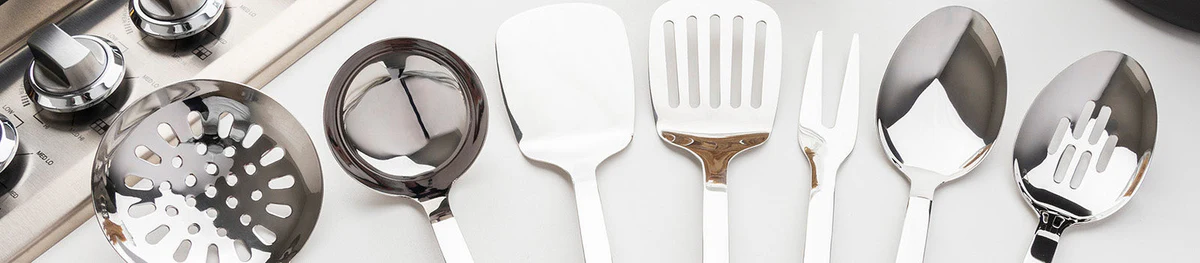
Strength, Purity & Sustainability
In a world full of modern ceramics and plastics, one humble material has quietly stood the test of time — stainless steel. Known for its strength, purity, and sustainability, steel remains a timeless choice for every Indian kitchen and sacred event. Let’s explore why choosing steel isn’t just practical — it’s a statement of health and ethics.
What Makes Steel Special?
Stainless steel is a combination of iron, carbon, and chromium — a protective element that prevents rust and corrosion. It is non-reactive, toxin-free, and can withstand extreme heat without leaching harmful chemicals into food.
- Durable and rust-resistant for decades.
- Maintains purity — does not absorb food color, oil, or odor.
- Easy to clean and fully recyclable, supporting a circular economy.
Health & Safety Advantages
According to studies published by the National Institutes of Health (NIH) and the World Health Organization (WHO), stainless steel is among the safest food-contact materials. It doesn’t react with acidic foods, unlike aluminum or some glazed ceramics that can release lead, cadmium, or other metals over time.
“Food-grade stainless steel prevents contamination, ensuring safe food preparation and storage.” — WHO, Food Contact Safety Review
Ethical & Environmental Benefits
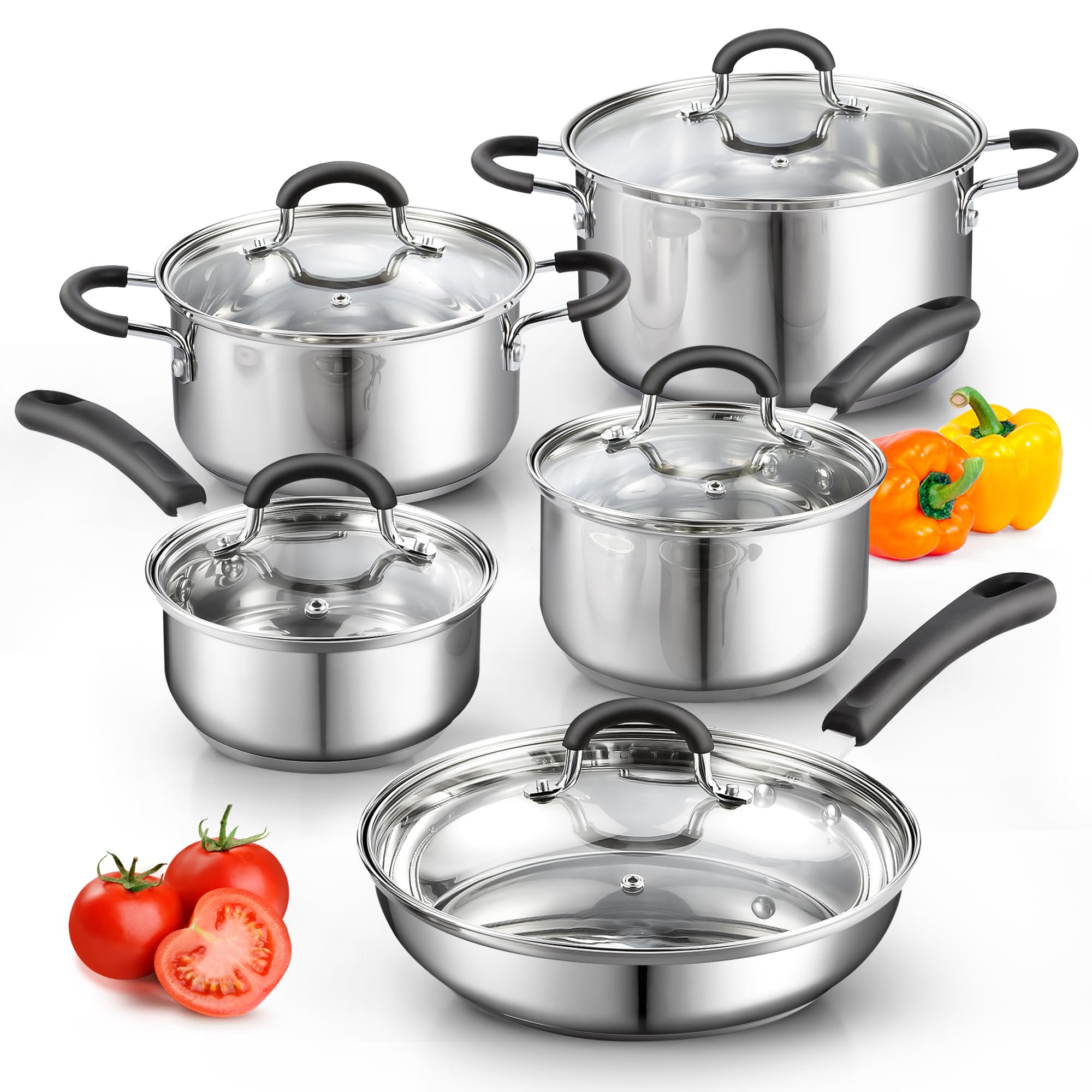
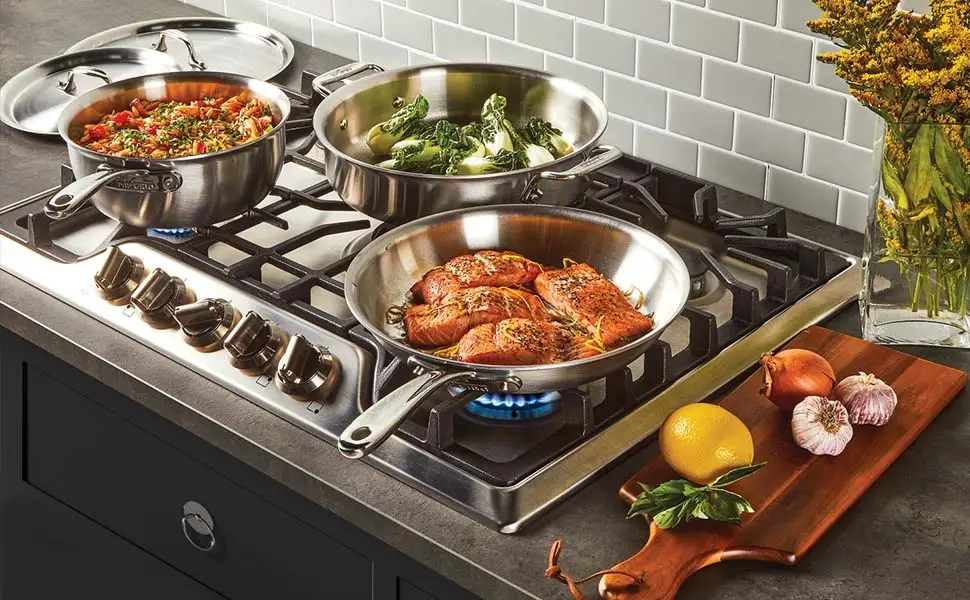
Choosing steel is also a moral and ecological decision. It is 100% recyclable and can be reused indefinitely without losing strength or quality — unlike plastic or ceramic composites that degrade over time.
- Zero animal ingredients — fully vegetarian and vegan-safe.
- Completely recyclable — reduces landfill waste.
- Energy-efficient production and long product life span reduce carbon footprint.
Steel vs Other Materials
Compared to glass, plastic, or bone china, steel performs better in terms of hygiene and durability:
- Plastic: May release BPA or microplastics on heating.
- Bone China: Contains animal-derived ash, not suitable for vegetarians.
- Glass: Fragile and heavy, not ideal for events.
- Steel: Pure, durable, sustainable — ideal for both homes and rituals.
Cultural & Ritual Significance
In Indian traditions, steel utensils are considered śuddha (pure) — suitable for religious offerings and prasadam. They are free from animal derivatives and align with the principles of ahimsa (non-violence) and sattva (purity).
References & Further Reading
- World Health Organization. (2021). Food contact materials: Safety and regulatory guidance.
- National Institutes of Health (NIH). (2020). Evaluation of stainless steel safety in food processing.
- Bureau of Indian Standards (BIS). IS 5522:2014 – Stainless Steel Sheet and Utensil Grade Guidelines.
“When purity, health, and sustainability come together — the answer is steel. Durable. Ethical. Divine.”
Looking for Premium Steel Tableware?
Divyam offers 100% vegetarian, eco-friendly, and food-safe stainless steel dining sets for events and homes.